Friday, June 13, 2014

Music of Ethiopia

The music of Ethiopia is extremely diverse, with each of Ethiopia's ethnic groups being associated with unique sounds. Some forms of traditional music are strongly influenced by folk music from elsewhere in the Horn of Africa. However, Ethiopian religious music also has an ancient Christian element, traced to Yared, who lived during the reign of Gabra Masqal. In northeastern Ethiopia, in Wollo, a Muslim musical form called manzuma developed. Sung in Amharic, manzuma has spread toHarar and Jimma, where it is now sung in the Oromo language. In the Ethiopian Highlands, traditional secular music is played by mostly itinerant musicians calledazmaris, who are regarded with both suspicion and respect in Ethiopian society

Music theory

Ethiopian music uses a distinct modal system that is pentatonic, with characteristically long intervals between some notes. As with many other aspects of Ethiopian culture and tradition, tastes in music and lyrics are strongly linked with those in neighboring Eritrea, Somalia, Djibouti and Sudan.
The music of the highlands uses a fundamental modal system called qenet, of which there are four main modes: tezeta, bati,ambassel, and anchihoy. Three additional modes are variations on the above: tezeta minor, bati major, and bati minor.Some songs take the name of their qenet, such as tizita, a song of reminiscence. When played on traditional instruments, these modes are generally not tempered (that is, the plihes may deviate slightly from the Western-tempered tuning system), but when played on Western instruments such as pianos and guitars, they are played using the Western-tempered tuning system.
Music in the Ethiopian highlands is generally monophonic or heterophonic. In certain southern areas, some music ispolyphonic. Dorze polyphonic singing (edho) may employ up to five parts; Majangir, four parts.Ethiopian Music Channel

Tourism in Ethiopia

Tourism in Ethiopia accounted for 5.5% of the country's gross domestic product (GDP) in 2006, having barely increased 2% over the previous year. The government is proving its commitment and willingness to develop tourism through a number of initiatives. Tourism is a featured component of Ethiopia's Poverty Reduction Strategy Paper (PRSP), which aims to combat poverty and encourage economic development.

Overview

Tourist destinations include Ethiopia's collection of national parks (including Semien Mountains National Park), and historic sites, such as the cities of Axum,Lalibela,Gonder, Negash Mosque, Sof `Umer Washa, and Harar Jugol.
Developed in the 1960s, tourism declined greatly during the later 1970s and the 1980s under the Derg. Recovery began in the 1990s, but growth has been constrained by the lack of suitable hotels and other infrastructure, despite a boom in construction of small and medium-sized hotels and restaurants, and by the effects of drought and political instability.
One encouraging aspect is the growing popularity of ecotourism, with significant potential for growth in Ethiopia. Travel retail sales are expected to continue to grow, posting an increase of 7% in 2006 and with a forecast 5% increase in 2007. Sales are driven primarily by expanding interest in ecotourism packages, including adventure travel, trekking and walking safaris that are making up much of the tour operators' revenues.

Millennium pageant controversy

The Ministry of Culture and Tourism, which is responsible for developing and promoting tourism in Ethiopia, was embroiled in a major controversy surrounding a beauty pageant in celebration of the Ethiopian Millennium in 2007. AllegedlyMohamouda Ahmed Gaas and officials from the ministry obtained promotional services from a UK based company for the Ethiopian Millennium, but refused to pay after the event took place. Following claims of failure to pay major bills,in December 2009 the company commenced formal legal action in the British courts, seeking a total payment of US$1,022,810.52, comprising US$488.500.00 principal debt and US$543,310.52 interest and late fees  Ministry of Culture and Tourism (Ethiopia)

ethiopian culture

Culture

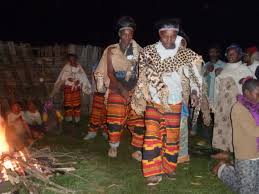
Pictures of Ethiopian old manuscript and various ethnic groups wearing traditional costumeEthiopia has a diverse mix of ethnic and linguistic backgrounds. It is a country with more than 80 different ethnic groups each with its own language, culture, custom and tradition. One of the most significant areas of Ethiopian culture is its literature, which is represented predominantly by translations from ancient Greek and Hebrew religious texts into the ancient language Ge'ez, modern Amharic and Tigrigna languages.
Ge'ez is one of the most ancient languages in the world and is still used today by the Ethiopian Orthodox Tewahedo Church. The Ethiopian Orthodox Tewahedo Church has its own unique customs and traditions, which have been influenced by Judaism.
The Tigrayans' history and culture is derived from the Aksumite Kingdom tradition and culture whereas the history and culture of the Amhara people is derived from the post Aksumite imperial reign of Menelik II and Haile Selassie.

Gender

In Ethiopia, men and women have clearly defined roles. Traditionally men are responsible for providing for the family and for dealing with family contact outside the home whereas women are responsible for domestic work and looking after the children.
Parents are stricter with their daughters than their sons; often parents give more freedom to males than females. The traditional view was men neither cook nor do shopping because housework tends to be women's job. This view continues to be held in many areas of the country.
Although many people continue to follow these traditional roles, life is constantly evolving including the role of men and women. This can be seen particularly true in urban areas where women are beginning to take a major role in all areas of employment and men are beginning to take a greater role in domestic life.

Costume

The Ethiopian traditional costume is made of woven cotton. Ethiopian men and women wear this traditional costume called gabbi or Netella. Women often wear dresses (Kemis) and netella with borders of coloured embroidered woven crosses, but other designs are also used.
Other ethnic groups and tribes in the south and west of the country wear different costumes that reflect their own traditions. Some tribes partially cover their body with leather but others do not wear any clothes at all, merely decorating their faces and bodies with distinctive images.

Food

The Ethiopian national dish is called wat. It is a hot spicy stew accompanied byinjera (traditional large spongy pancake made of teff flour and water). Teff is unique to the country and is grown on the Ethiopian highlands. There are many varieties of wat, e.g. chicken, beef, lamb, vegetables, lentils, and ground split peas stewed with hot spice called berbere.
Berbere is made of dried red hot pepper, herbs, spices, dried onions, dried garlic and salt ingredients. Wat is served by placing it on top of the injera which is served in a mesob (large basket tray). The food is eaten with fingers by tearing off a piece of injera and dipping it in the wat.
Ethiopian Orthodox Tewahedo Christians do not eat meat and diary products (i.e. egg, butter, milk, and cheese) on Wednesdays and Fridays except the 50 days between Easter and Pentecost, the Fast of the Prophets, the fast of Nineveh, Lent, the Fast of the Apostles and the fast of the Holy Virgin Mary. According to the Ethiopian Orthodox Tewahedo Church belief, the faithful must abstain from eating meat and diary products to attain forgiveness of sins committed during the year, and undergo a rigorous schedule of prayers and atonement.
Vegetarian meals such as lentils, ground split peas, grains, fruit, varieties of vegetable stew accompanied by injera and/or bread are only eaten during fasting days. Meat and diary products are only eaten on feasting days i.e. Christmas, Epiphany, Easter and at all other times. Ethiopian Orthodox Tewahedo Christians, Jews and Muslims do not eat pork as it forbidden by their religious beliefs.

Drink

The favourite drink of many Ethiopians is bunna (coffee). Bunna is drunk in Ethiopia in a unique and traditional way known as a "coffee ceremony". First the coffee is roasted, then ground and placed in a Jebena (coffee pot) with boiling water. When ready it is then served to people in little cups, up to three times per ceremony.
Other locally produced beverages are tella and tej, which are served and drunk on major religious festivals, Saints Days and weddings. Tella and tej are also sold by numerous designated commercial houses all over the country.http://www.ethiopiafirst.com

Saturday, June 7, 2014

Economy of Ethiopia

The economy of Ethiopia is largely based on agriculture, which accounts for 46.6% of the gross domestic product (GDP) and 85% of total employment.
Ethiopia is one of the fastest-growing economies in the world and is Africa’s second most populous country. Many properties owned by the government during the previous regime have now been privatized and are in the process of privatization. However, certain sectors namely Telecommunications, Financial and Insurance services, Air and Land Transportation services, and retail are considered as strategic sectors and would remain under state control for the foreseeable future. Almost 50% of Ethiopia's population is under the age of 18, and even though education enrollment at primary and tertiary level has increased significantly, job creation has not caught up with the increased output from educational institutes. The country must create hundreds of thousands of jobs every year just to keep up with population growth.
The Ethiopian constitution defines the right to own land as belonging only to "the state and the people", but citizens may only lease land (up to 99 years), and are unable to mortgage, sell, or own it.Various groups and political parties have sought for full privatization of land, while other opposition parties are against privatization and favor communal ownership.
The current government has embarked on a program of economic reform, including privatization of state enterprises and rationalization of government regulation. While the process is still ongoing, the reforms have begun to attract much-needed foreign investment. Despite recent improvements, with an exploding population Ethiopia remains one of the poorest nations in the world.

Politics of Ethiopia

In May 1991, a coalition of rebel forces under the name Tigrayan People's Liberation Front (TPLF) defeated the government of Mengistu regime. In July 1991, the TPLF, the Oromo Liberation Front (OLF), and others – with the general exclusion of Amharas  established the Transitional Government of Ethiopia (TGE), which consisted of an 87-member Council of Representatives and guided by a national charter that functioned as a transitional constitution. Since 1991, Ethiopia has established warm relations with the United States and western Europe and has sought substantial economic aid from Western countries and World Bank.
In June 1992 the OLF withdrew from the government; in March 1993, members of the Southern Ethiopia Peoples' Democratic Coalition left the government. The Eritrean People's Liberation Front (EPLF), an ally in the fight against the Mengistu regime, assumed control of Eritrea and established a provisional government. Eritrea achieved full independence on May 24, 1993.
President Meles Zenawi and members of the TGE pledged to oversee the formation of a multi-party democracy. The first election for Ethiopia's 547-member constituent assembly was held in June 1994. This assembly adopted the constitution of the Federal Democratic Republic of Ethiopia in December 1994. The elections for Ethiopia's first popularly-chosen national parliament and regional legislatures were held in May and June 1995. Most opposition parties chose to boycott these elections. There was a landslide victory for the Ethiopian People's Revolutionary Democratic Front (EPRDF). International and non-governmental observers concluded that opposition parties would have been able to participate had they chosen to do so.
The Government of the Federal Democratic Republic of Ethiopia was installed in August 1995. The first President was Negasso Gidada. The EPRDF-led government of Prime Minister Meles has promoted a policy of ethnic federalism, seemingly devolving significant powers to regional, ethnically-based authorities. Ethiopia today has nine semi-autonomous Regions of Ethiopia that have the power to raise and spend their own revenues.
In 2004, the government began a resettlement initiative to move more than two million people away from the arid highlands of the east, proposing that these resettlements would reduce food shortages.
The incumbent President is Mulatu Teshome and has been at that position since October 2013. The ruling party, EPRDF was re-elected in 2000, and then again in 2005 amidst protests and riots that led to the death of many Ethiopians. Hundreds of political leaders–some of whom were elected to parliamentary positions– were arrested in connection with these protests.
As of February 2006, hundreds political remained in custody, facing trial in March. About 119 people are currently facing trial, including journalists for defamation and opposition party leaders for treason Human rights organisations have raised concerns over the well-being of some of these prisoners. However 8,000 prisoners have already been freed Concerns about the implications of these trials for the freedom of the press have also been raised.According to the US Department of State 2009 human rights report, there are hundreds of political prisoners in Ethiopia. Among them is the leader of the largest opposition party Birtukan Midekssa. Fundamental freedoms, including freedom of the press, are, in practice, circumscribed. Google.com

Friday, June 6, 2014

ethiopian female national football team

Ethiopia women's national football team

From Wikipedia, the free encyclopedia
Ethiopia
Shirt badge/Association crest
Nickname(s)Lucy
AssociationEthiopian Football Federation
Sub-confederationCECAFA (East & CentralAfrica)
ConfederationCAF (Africa)
Head coachAbrham Haimanot
Most capsBizuhan
Top scorerBirtukan Gebrekirstos
FIFA codeETH
FIFA ranking94 Decrease 6
Highest FIFA ranking77 (July 2003)
Lowest FIFA ranking116 (March 2007)
First colours
Second colours
First international
 Ethiopia 2−0  Uganda
(Addis Ababa; 22 September 2002)[1]
Biggest win
 Ethiopia 5−0  Malawi
(Addis Ababa; 25 July 2004)[1]
 Ethiopia 5 − 0  Kenya
(Addis Ababa; 29 September 2012)[1]
Biggest defeat
 Nigeria 7-0  Ethiopia
(Lagos, Nigeria; 9 October 2003)[1]
CAF Women's Championship
Appearances3 (First in 2002)
Best resultFourth Place, 2004
The Ethiopia women national football team is the national women football team of Ethiopia and has been overseen by the Ethiopian Football Federation. As of May 2014 they are ranked 94th in the world.[2] They are popularly known as Lucy and Dinknesh in reference to the Australopithecus fossil.[3]

History[edit]

The Ethiopian national team made its debut in September 2002 in the 2002 African Championship's qualifiers, beating Uganda to progress to the final tournament, where it ended last in its group, only grasping a tie with Mali. It subsequently played the 2003 All-Africa Games, losing all three games.
In 2004 they again qualified for the African Championship, where they made it to the semifinals after beating South Africa and drawing with Zimbabwe. After being knocked out by Nigeria, they lost the bronze to Ghana on penalties. As of 2013 it remains Ethiopia's best performance in the competition.
Ethiopia withdrew from the 2006 African Championship, and it didn't take part in the 2008 edition either. However it did take part in the 2007 All-Africa Games, losing its two games. In its return to the African Championship in 2010 it was defeated in the qualifiers by Tanzania. On the other hand in the 2012 Summer Olympics qualifiers Ethiopia made it to the final round after knocking out Congo DR and Ghana, ultimately losing an spot in the Olympics to South Africa.
In 2012 the team qualified for the African Championship 8 years later, settling the score with Tanzania. It didn't manage to score, only grasping a draw withCameroon.

Performance in Africa Women's Championship[edit]

CAF Women's Championship
YearResultMatchesWinsDrawsLossesGFGA
1991Did Not Enter
1995Did Not Enter
Nigeria 1998Did Not Enter
South Africa 2000Did Not Qualify
Nigeria 2002Group Stage301228
South Africa 2004Fourth Place512248
Nigeria 2006Did Not Enter
Equatorial Guinea 2008Did Not Enter
South Africa 2010Did Not Qualify
Equatorial Guinea 2012Group Stage301208
Namibia 2014To Be Determined
Total3/911146624

Overall competition record[edit]

CompetitionStageOpponentResultPositionScorers
2002 African Championship qualifiersFirst round SwazilandWalkover
Second round Uganda2–0 2–2
Nigeria 2002 African ChampionshipFirst stage Nigeria
 Mali
 Ghana
0–3
2–2
0–3
4 / 4
Endegene-Leme 2
Nigeria 2003 All-Africa GamesFirst stage Cameroon
 Zimbabwe
 Nigeria
0–3
0–4
0–7
4 / 4
2004 African Championship qualifiersSecond round Malawi4–0 5–0Ware 4, Feleke 3, Bekele, Semira
South Africa 2004 African ChampionshipFirst stage Zimbabwe
 Ghana
 South Africa
1–1
1–2
2–1
2 / 4 ?
Yassin
Melaku, Ware
Semifinals Nigeria0–4
Third place Ghana0–0 (PSO: 5–6)
2006 African Championship qualifiersFirst round ZimbabweWithdrew
Algeria 2007 All-Africa GamesFirst stage Nigeria
 South Africa
0–3
1–3
3 / 3
Feleke
2010 African Championship qualifiersFirst round Tanzania1–3 1–1Ware, Yassin
2012 Summer Olympics qualifiersSecond round DR Congo0–0 3–0
Third round Ghana1–0 1–2
Final round South Africa0–3 1–1
2012 African Championship qualifiersFirst round Egypt2–4 4–0Biza 3, Abaa, Bekele, Ware
Second round Tanzania2–1 1–0Aboye, Bekele, ?
Equatorial Guinea 2012 African ChampionshipFirst stage Ivory Coast
 Nigeria
 Cameroon
0–5
0–3
0–0
4 / 4
2014 African Championship qualifiersFirst round South SudanWalkover
Second round GhanaTBD
OpponentResultScorers
2007 friendlies Liberia3–0 2–0

Current squad[edit]

Squad for the 2012 African Women's Championship, according to CAF's website.
#Pos.PlayerDate of birth (age)CapsGoalsClub
1GKLiya OssaOctober 9, 1984(age 29)Ethiopia Dedebit FC
18GKDagmawet BekeleJuly 19, 1988 (age 25)Ethiopia CBE SA
21GKIsrael GebruDecember 28, 1988(age 25)Ethiopia Ethiopian Coffee FC
3DFWoinshet DestaJanuary 20, 1986(age 28)Ethiopia Dedebit FC
4DFTiruanchi SisayJanuary 7, 1987(age 27)Ethiopia CBE SA
5DFKelem MamuyeOctober 10, 1994(age 19)
14DFHiwot BuwliFebruary 24, 1992(age 22)Ethiopia CBE SA
17DFBezuhan AlemarJanuary 15, 1986(age 28)Ethiopia Dedebit FC
20DFAdanech AdereNovember 20, 1990(age 23)Ethiopia Ethiopian Coffee FC
2MFEden NegeriApril 6, 1990 (age 24)Ethiopia Dedebit FC
6MFTutu MelakuJuly 8, 1986 (age 27)Ethiopia CBE SA
7MFZulka BadegaJuly 21, 1988 (age 25)Ethiopia CBE SA
8MFAynalem GebraJanuary 4, 1994(age 20)Ethiopia CBE SA
12MFBerktawit AboyeAugust 17, 1988(age 25)Ethiopia Dedebit FC
15MFKidest EndaleJuly 18, 1989 (age 24)Ethiopia Dedebit FC
19MFAkberet HaderaMay 18, 1994 (age 20)Ethiopia CBE SA
9FWErehima BizaSeptember 11, 1987(age 26)Ethiopia CBE SA
10FWShetaye AbaaJune 30, 1988 (age 25)Ethiopia CBE SA
11FWBirtukan Ware